Coptis Japonica Extract (Japanese Goldthread): A Soothing Botanical for Reactive and Sensitive Skin

- Ingredient Type: Botanical extract
- Also Known As: Japanese Goldthread, Coptis Root Extract, Huang Lian
- Key Skin Benefits: Helps soothe visible redness, supports skin balance, and helps comfort stressed or reactive skin
- Best For: Sensitive skin, reactive skin, eczema-prone skin, easily irritated skin
- Key Active Compounds: Berberine, coptisine, palmatine
- Skin Concerns It Supports: Dryness, visible redness, barrier stress, easily irritated skin
- Commonly Found In: Soothing lotions, barrier-support moisturizers, calming mists, sensitive-skin treatments
- Pairs Well With: Scutellaria Baicalensis Root Extract, Houttuynia Cordata Extract, Dictamnus Dasycarpus Root Extract
- How Often It’s Used: Daily, morning and evening
Why Coptis Japonica Matters for Sensitive Skin
When skin becomes reactive, it often asks for two things at once: comfort now, and stability over time.
Most skincare formulas lean heavily toward one side of that equation. They either soothe temporarily without strengthening the skin, or they pursue “results” in ways that can overwhelm an already stressed barrier.
Coptis japonica sits in a quieter, more balanced space.
The extract comes from the root of Japanese goldthread, a small flowering plant long used in East Asian herbal traditions. In Korean and Chinese herbal medicine, the golden root has historically been associated with calming excess heat and restoring balance in the body. Those ideas translate surprisingly well to modern skincare.
Sensitive or reactive skin is rarely missing just one thing. More often, it’s experiencing a system that’s slightly out of balance — the barrier is stressed, the microbiome unsettled, the skin easily triggered.
Ingredients like Coptis japonica don’t attempt to force dramatic change. Instead, they help create the conditions where skin can settle, rebalance, and gradually feel stronger again.
That philosophy — support the skin rather than push it — sits at the center of Korean skin-health culture and at the heart of Treats Lab formulations.
What Is Coptis Japonica Extract?
Coptis japonica is a perennial plant native to Japan and parts of East Asia. The ingredient used in skincare is derived from the plant’s rhizome, or root, which contains a high concentration of naturally occurring alkaloids.
The most studied compounds include:
- Berberine
- Coptisine
- Palmatine
These molecules have drawn attention in modern dermatological research because of how they interact with biological pathways involved in skin balance.
A review published in Oxidative Medicine and Cellular Longevity highlights that berberine exhibits antioxidant and anti-inflammatory properties, supporting its potential role in protecting the skin from oxidative stress and maintaining overall skin health.
While the ingredient has deep roots in traditional herbal practice, it has also become increasingly relevant in modern barrier-support skincare, particularly within Korean formulations designed for sensitive or easily irritated skin.
What Does Coptis Japonica Do for Skin?
Coptis japonica extract is valued in skincare primarily for its ability to help calm visible irritation and support skin balance.
Helps Calm the Appearance of Irritated Skin
One of the defining benefits of Coptis extract is its ability to support skin that appears visibly stressed and reactive.
At the center of its efficacy is berberine, a bioactive compound known for its interaction with pathways involved in inflammation and skin response. Through this mechanism, it helps promote a more balanced, comfortable skin environment.
For reactive skin, this kind of targeted, calming support is often more effective than aggressive or overly active interventions.
Rather than overwhelming the skin, Coptis works by gently reducing the appearance of irritation while supporting the conditions needed for the skin barrier to restore its natural stability.
Supports Skin Barrier Balance
Sensitive skin and a compromised barrier often go hand in hand.
When the barrier struggles, moisture escapes more easily and external stressors can trigger visible redness or discomfort. Maintaining barrier balance becomes one of the most important parts of caring for reactive skin.
Botanical extracts from Coptis chinensis, rich in berberine, have been shown to exhibit anti-inflammatory and antimicrobial properties that help regulate skin responses and support a balanced skin environment.
Research published in Phytotherapy Research highlights their role in modulating inflammation and microbial activity—key factors in maintaining skin barrier balance and overall resilience.
Helps Support a Balanced Skin Environment
Another reason Coptis japonica is gaining attention is its relationship to microbiome-friendly skincare.
The skin’s microbiome — the ecosystem of microorganisms living on the surface — plays a major role in how resilient or reactive the skin feels. When this ecosystem falls out of balance, skin can become more easily triggered.
Emerging research suggests certain plant compounds may help maintain a stable environment where beneficial microbes can thrive. While the field continues to evolve, this is one reason botanical extracts like Coptis have become especially relevant in modern Korean skincare.
Why Sensitive or Reactive Skin Benefits From Coptis Japonica
Reactive skin tends to do best with routines built around consistency and gentle support. Instead of pushing the skin toward rapid transformation, the goal is usually to help it feel calmer, stronger, and more balanced over time.
Coptis japonica fits naturally into this kind of approach. Traditionally valued in East Asian herbal practices, the botanical is known for its calming qualities and its ability to help maintain a balanced skin environment.
For skin that becomes easily irritated, this kind of steady support can make everyday skincare feel noticeably more comfortable.
How Coptis Japonica Supports the Skin Barrier
A healthy skin barrier is less about a single ingredient and more about an ecosystem working in harmony.
Moisture levels, lipid structure, the microbiome, and the skin’s surface environment all influence how resilient the barrier feels.
When the skin environment becomes calmer and more balanced, the barrier can function more effectively. Plant alkaloids like berberine may help support biological processes associated with skin stability.
While skincare ingredients don’t “fix” the barrier in a medical sense, they can create the conditions that allow the skin to feel more comfortable, hydrated, and resilient.
And that’s often where real improvement begins.
Ingredients That Pair Well With Coptis Japonica
In thoughtful skincare formulation, ingredients rarely work in isolation.
Coptis japonica becomes especially effective when paired with other botanicals that support hydration, comfort, and skin balance.
Scutellaria Baicalensis Root Extract
This traditional East Asian botanical contains flavonoids known for supporting visible calm in stressed skin.
Houttuynia Cordata Extract
Widely used in Korean skincare, Houttuynia Cordata (also known as Heartleaf) is used to help comfort reactive skin while supporting a balanced surface environment.
Dictamnus Dasycarpus Root Extract
Another herb used historically in East Asian medicine, this botanical is often included in formulations designed to help calm easily irritated skin.
Together, these four ingredients form Bi-Om Complex™, a botanical complex developed to support microbiome balance and skin comfort.
Laboratory testing has shown the complex can help reduce levels of lipopolysaccharides (LPS) — molecules involved in irritation signaling — suggesting a potential role in helping skin remain calmer and more stable.
Instead of relying on one hero ingredient, this approach supports the skin from multiple directions at once.
How Treats Lab Uses Coptis Japonica
At Treats Lab, Coptis japonica extract sits at the center of Bi-Om Complex™, a patented blend inspired by Hanbang herbal traditions and informed by modern microbiome research.
The complex appears across the brand’s core formulas because the philosophy remains the same: sensitive skin benefits from daily, layered support.
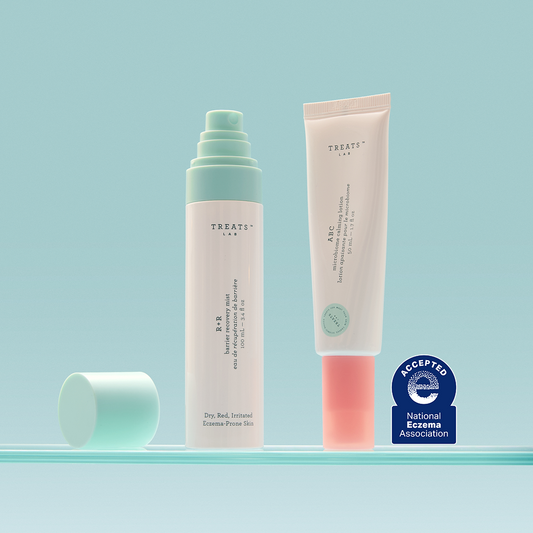
You’ll find it in the lightweight R+R Barrier Recovery Mist, which is designed to give reactive skin a quick moment of calm throughout the day.
It’s also a foundational ingredient in the ABC Microbiome Calming Lotion, a daily moisturizer created to support barrier comfort and hydration while helping the skin maintain balance.
For people building a complete routine, the Calm & Restore Duo pairs both formulas together — a simple system designed to support sensitive or eczema-prone skin from morning to night.
Across all three formulas, the idea is the same: Care that sits between science and care. Immediate comfort, paired with long-term resilience. Because when the skin feels balanced, calm tends to follow.
FAQ
Is Coptis japonica good for sensitive skin?
Yes. Coptis japonica extract is commonly used in calming skincare formulas because its botanical compounds help support skin comfort and balance. It is particularly well suited for sensitive or reactive skin types.
Can Coptis japonica irritate skin?
When formulated properly, Coptis japonica is generally considered gentle. As with any skincare ingredient, individuals with very reactive skin may still benefit from patch testing new products.
Is Coptis japonica safe for eczema-prone skin?
Skincare products containing Coptis japonica are often designed with sensitive or eczema-prone skin in mind. The ingredient helps support skin comfort and barrier balance without relying on aggressive actives.
What ingredients work well with Coptis japonica?
Coptis japonica pairs well with calming botanicals such as Scutellaria baicalensis, Houttuynia cordata, and Dictamnus dasycarpus, which together support hydration, microbiome balance, and skin comfort.
How often should you use skincare with Coptis japonica?
Most products containing Coptis japonica are gentle enough for daily use, both morning and evening, depending on the formulation.
Sources
Oxidative Medicine and Cellular Longevity | Coptidis Rhizoma: a comprehensive review of its traditional uses, botany, phytochemistry, pharmacology and toxicology
Phytotherapy Research | Coptidis rhizoma and its main bioactive components: recent advances in chemical investigation, quality evaluation and pharmacological activity
Explore Treats Lab
-
Calm & Restore Duo
Regular price $82.80 USDRegular price$92.00 USDSale price $82.80 USDBundle & Save Sold outSale -
ABC Microbiome Calming Lotion
Regular price $48.00 USDRegular price -
R+R Barrier Recovery Mist
Regular price $44.00 USDRegular price