Heartleaf (Houttuynia Cordata): A Calming Hanbang Botanical for Sensitive, Reactive Skin

- Ingredient Type: Botanical soothing extract
- Also Known As: Heartleaf, Houttuynia Cordata, Fish Mint, Chameleon Plant
- Key Skin Benefits: Helps calm visible redness, supports microbiome balance, and comforts stressed skin
- Best For: Sensitive, reactive, and eczema-prone skin
- Key Active Compounds: Quercetin, quercitrin, rutin, hyperoside
- Skin Concerns It Supports: Redness, irritation, barrier stress, dryness, reactive skin
- Commonly Found In: Essences, calming serums, barrier-support moisturizers, hydrating mists
- Pairs Well With: Ceramide NP, Centella Asiatica, beta-Glucan, and Amino Acids
- How Often It’s Used: Gentle enough for daily use in barrier-support skincare routines
How Heartleaf Supports Calm, Balanced Skin
Sensitive skin rarely needs stronger skincare. More often, it needs care that restores balance.
When the skin barrier becomes stressed—whether from environmental exposure, harsh skincare, or underlying sensitivity—the instinct is often to reach for something powerful. But for reactive or eczema-prone skin, aggressive solutions can sometimes lead to more irritation.
At Treats Lab, the philosophy is different.
Instead of pushing the skin harder, the focus is on supporting the skin so it can return to balance naturally. That means reinforcing the barrier, nurturing the microbiome, and choosing ingredients that help comfort the skin rather than overwhelm it.
One botanical that embodies this approach is Heartleaf, the plant known scientifically as Houttuynia cordata.
Long used in Korean herbal traditions and increasingly recognized in modern dermatological research, Heartleaf helps comfort reactive skin, support the barrier, and maintain a calmer skin environment.
What Is Heartleaf (Houttuynia Cordata)?
Heartleaf is a leafy plant native to East and Southeast Asia. Its distinctive heart-shaped leaves are why it’s often referred to simply as Heartleaf in skincare.
In traditional Korean herbal medicine—known as Hanbang—plants are selected not only for individual benefits but for how they help restore balance within the body and skin.
Heartleaf has long been used in these traditions for its calming properties, particularly for skin that appears irritated or overheated.
Modern research has helped identify the compounds behind these traditional uses. The plant contains several bioactive flavonoids and polyphenols, including quercetin, quercitrin, rutin, and hyperoside, which are known for antioxidant and skin-supporting properties.
Research published in Frontiers in Pharmacology highlights that Houttuynia cordata contains bioactive compounds with significant anti-inflammatory, antioxidant, and antimicrobial properties that may help support skin health and resilience.
These properties help explain why Heartleaf has become a widely used ingredient in skincare formulations designed for sensitive and reactive skin types.
What Does Heartleaf Do for Skin?
Heartleaf is often described simply as a soothing ingredient, but its benefits extend beyond calming.
Helps calm visible redness
Flavonoids present in Heartleaf have been studied for their role in regulating inflammatory responses within the skin. These properties help explain why the ingredient is frequently included in formulas designed to help reduce the appearance of redness and visible irritation.
Supports antioxidant protection
Skin is constantly exposed to environmental stress—from pollution to UV radiation and sudden climate changes.
Heartleaf contains a range of bioactive compounds—including flavonoids, phenolic acids, and essential oils—that contribute to its antioxidant, anti-inflammatory, and antimicrobial properties. Research published in Molecules highlights these pharmacological activities, supporting its role in protecting the skin from oxidative stress and environmental aggressors.
Encourages balanced-looking skin
Perhaps most importantly for sensitive skin, Heartleaf helps encourage a more stable skin environment.
Rather than forcing dramatic changes in the skin, it supports the skin’s natural regulatory systems—an approach that aligns closely with both Korean skincare traditions and Treats Lab’s philosophy of working with the skin, not against it.
Why Sensitive Skin Benefits From Heartleaf
Sensitive skin tends to react quickly to environmental triggers.
Temperature changes, stress, pollution, or new skincare products can all disrupt the skin’s equilibrium. Often, these reactions stem from a weakened skin barrier.
When the barrier becomes compromised, moisture escapes more easily and irritants can penetrate the skin more readily.
Ingredients like Heartleaf help support a calmer skin environment by reinforcing the skin’s natural balance.
With consistent use, Heartleaf can help skin remain:
- calmer
- more comfortable
- better supported when exposed to everyday stressors
This gentle approach reflects Treats Lab’s belief that healthy skin develops through consistent, supportive care.
How Heartleaf Supports the Skin Barrier
The skin barrier functions as the body’s first line of defense.
It keeps moisture inside the skin while protecting against environmental irritants. When this barrier becomes disrupted, the skin may appear dry, tight, or reactive.
Botanical extracts rich in polyphenols—such as Heartleaf—may help support barrier stability by helping regulate inflammatory responses and oxidative stress.
Houttuynia cordata as containing compounds associated with antioxidant and anti-inflammatory activity. By helping calm stress signals within the skin, Heartleaf supports an environment where the barrier can remain hydrated, balanced, and resilient.
Ingredients That Pair Well With Heartleaf
Heartleaf works best alongside ingredients that reinforce hydration and barrier resilience.
Ceramide NP
Ceramide NP and heartleaf work well together by supporting the skin in two complementary ways. Ceramide NP helps reinforce the skin’s moisture barrier and support hydration, while heartleaf is known for its soothing properties and helps comfort skin that feels sensitive or looks visibly red. Together, they help skin feel more balanced and comfortable.
Centella Asiatica
Another botanical rooted in Asian skincare traditions, Centella helps support visible calmness while complementing Heartleaf’s soothing properties.
Beta-Glucan
Beta-glucan helps attract and retain moisture while supporting sensitive skin.
Amino Acids
Skin-identical amino acids help support the skin’s natural moisture balance and contribute to skin that appears smoother and more resilient. When combined with Heartleaf, they help maintain hydration while supporting overall skin comfort.
Together, these ingredients help support skin that feels calm, hydrated, and balanced.
How Treats Lab Uses Heartleaf
At Treats Lab, skincare exists between science and care.
Inspired by traditional Korean Hanbang medicine, the brand focuses on supporting the skin barrier and microbiome through thoughtfully balanced formulas.
Heartleaf sits at the center of this philosophy.
It appears in every Treats Lab formula as part of Bi-Om Complex™, a patented botanical complex inspired by traditional Korean herbal medicine and informed by modern skin research.
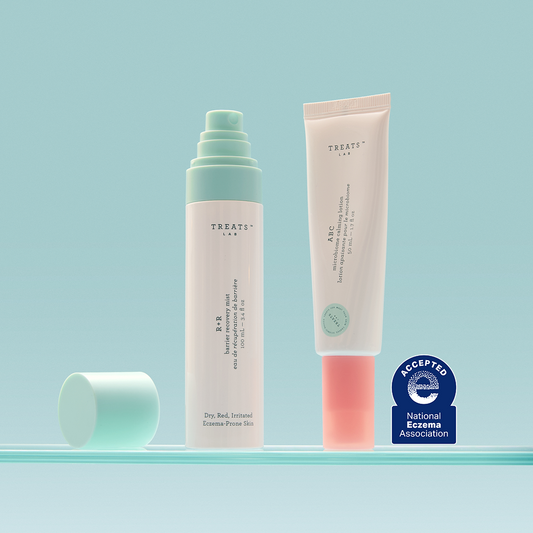
You’ll find Heartleaf in the ABC Microbiome Calming Lotion, where it helps support hydration and microbiome balance for sensitive skin.
It also appears in the R+R Barrier Recovery Mist, a lightweight mist designed to refresh and comfort stressed skin throughout the day.
For those building a routine for reactive or eczema-prone skin, the Calm & Restore Duo brings these formulas together to support the skin barrier from multiple directions.
For sensitive skin, balance matters. Heartleaf reflects a philosophy that has guided Korean skincare traditions for generations: when the skin is supported gently and consistently, calm naturally follows.
By helping comfort visible irritation, supporting the skin barrier, and encouraging a balanced skin environment, Heartleaf offers the kind of care that reactive skin often needs most. At Treats Lab, this belief shapes every formula.
Because caring for sensitive skin should never feel like a battle. It should feel like a treat.
FAQ
Is Heartleaf good for sensitive skin?
Yes. Heartleaf (Houttuynia cordata) is widely used in skincare designed for sensitive or reactive skin because it helps calm visible redness while supporting a balanced skin environment.
Can Heartleaf irritate skin?
Heartleaf is generally considered a gentle botanical ingredient and is commonly used in formulas created for sensitive skin. However, individual sensitivities can occur with any plant extract, so patch testing new skincare products is recommended.
Is Heartleaf safe for eczema-prone skin?
Heartleaf is often included in skincare designed for eczema-prone skin because it helps support skin comfort and barrier balance. While it is not a medical treatment for eczema, it can help support skin that feels dry, reactive, or easily irritated.
What ingredients work well with Heartleaf?
Heartleaf pairs well with ingredients that reinforce hydration and barrier health, including Ceramide NP, Centella Asiatica, beta-Glucan, and Amino Acids.
How often can you use Heartleaf in skincare?
Heartleaf is gentle enough for daily use and is commonly found in moisturizers, serums, and calming mists used both morning and evening.
Sources
Frontiers in Pharmacology | Hyperoside and Quercitrin in Houttuynia cordata Extract Attenuate UVB-Induced Human Keratinocyte Cell Damage and Oxidative Stress via Modulation of MAPKs and Akt Signaling Pathway
Molecules | In vitro bioactivities and formulation stability of Houttuynia cordata essential oil for cosmetic applications
Explore Treats Lab
-
Calm & Restore Duo
Regular price $82.80 USDRegular price$92.00 USDSale price $82.80 USDBundle & Save Sold outSale -
ABC Microbiome Calming Lotion
Regular price $48.00 USDRegular price -
R+R Barrier Recovery Mist
Regular price $44.00 USDRegular price